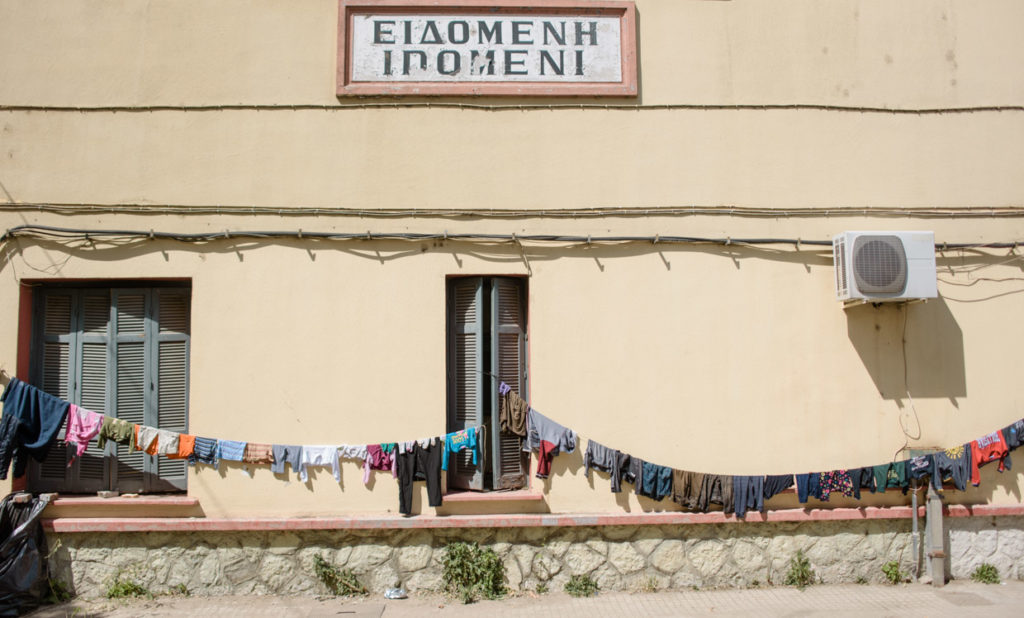
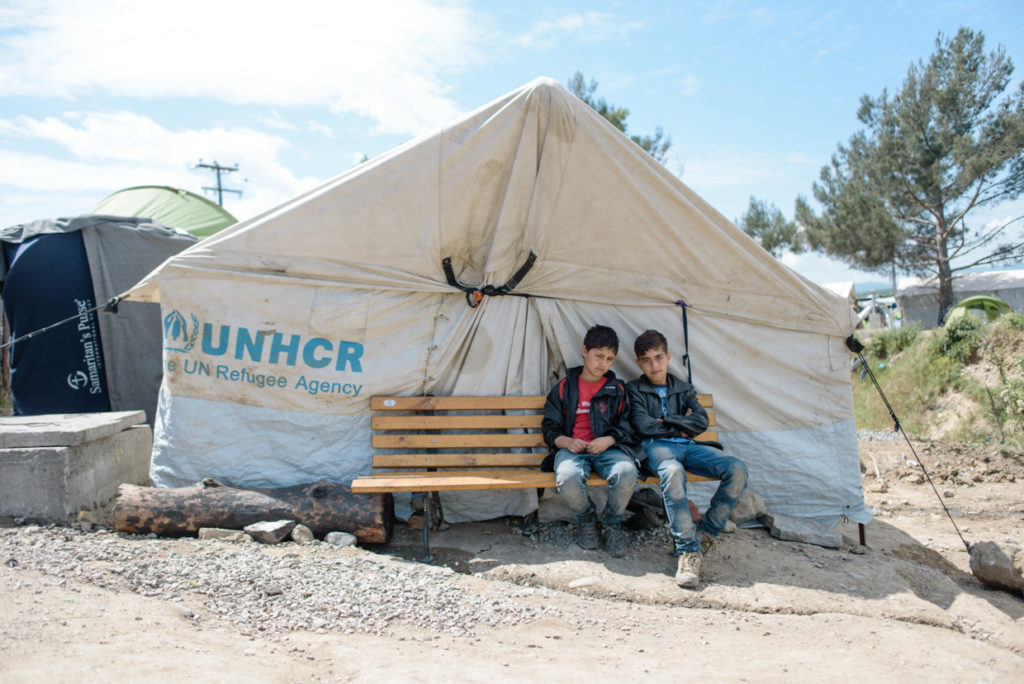
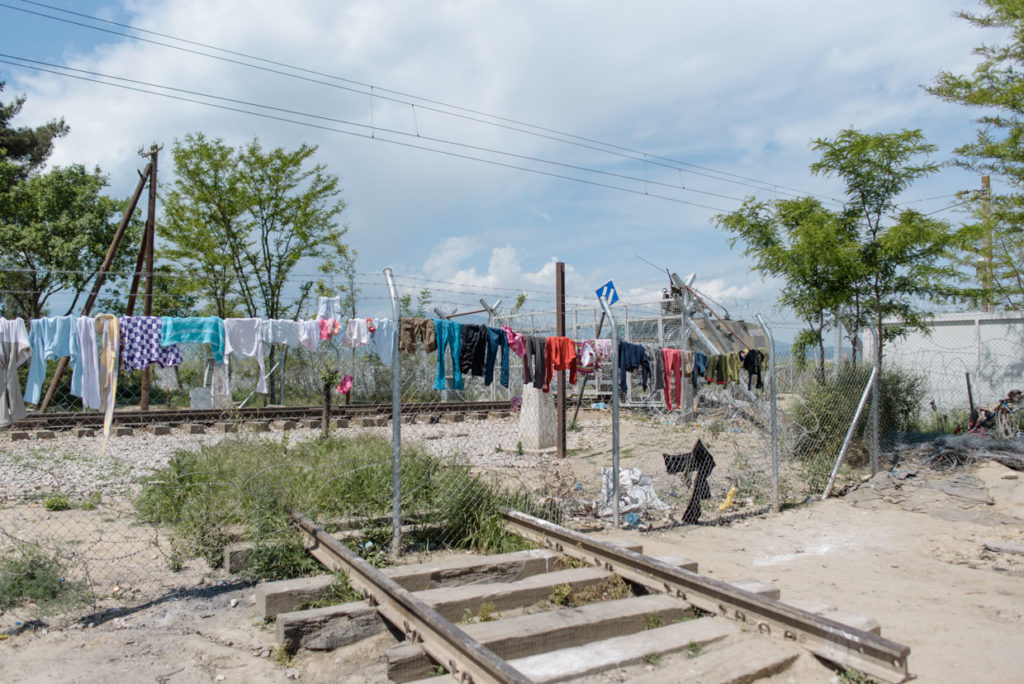
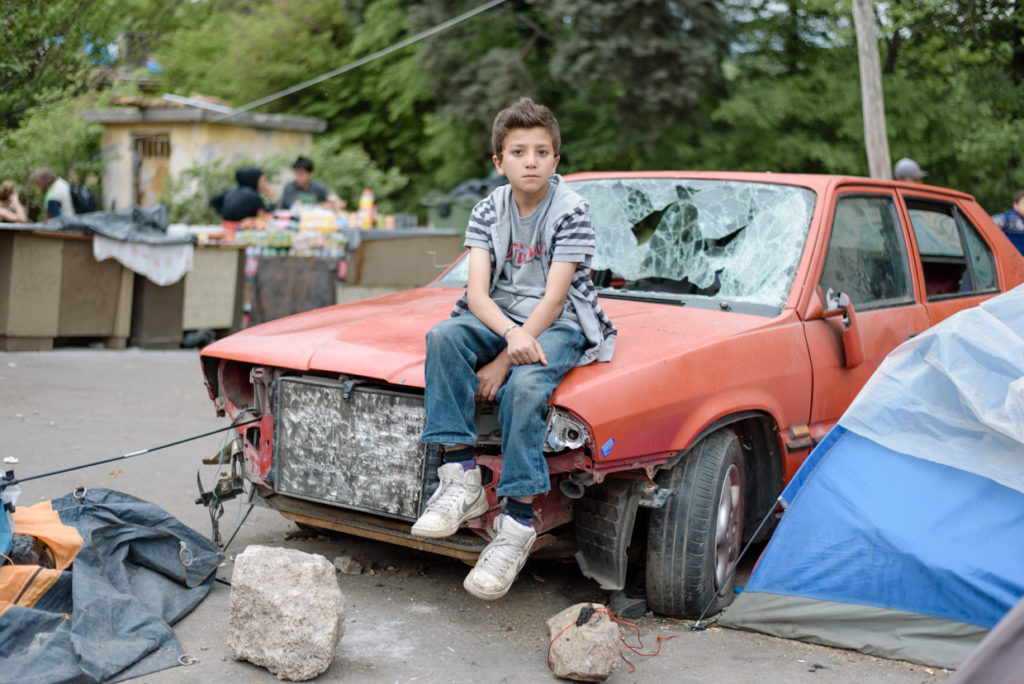
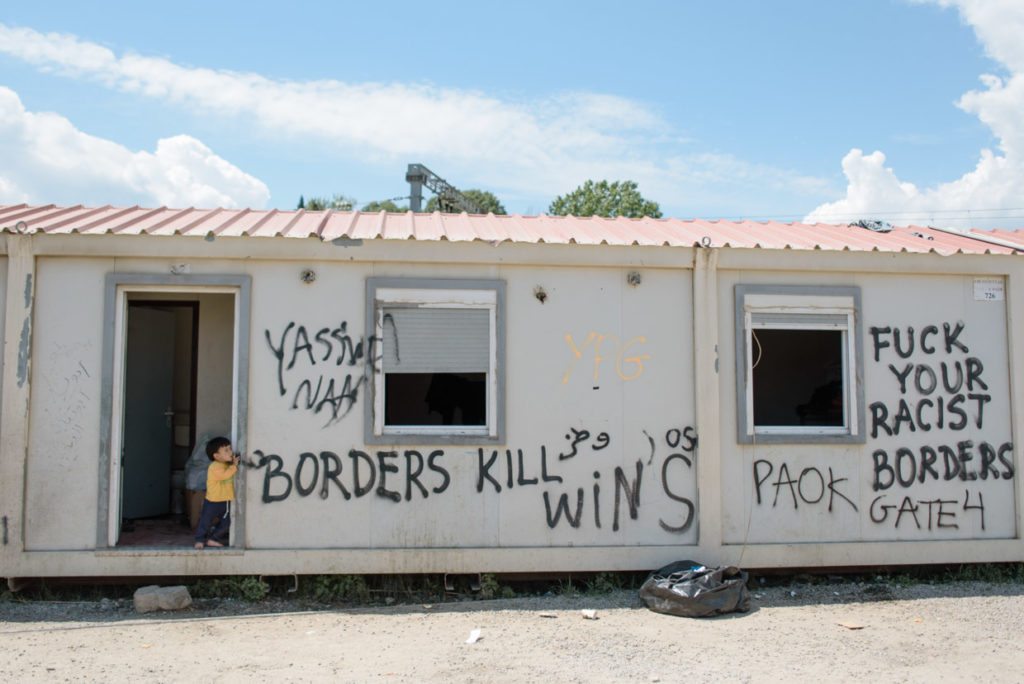
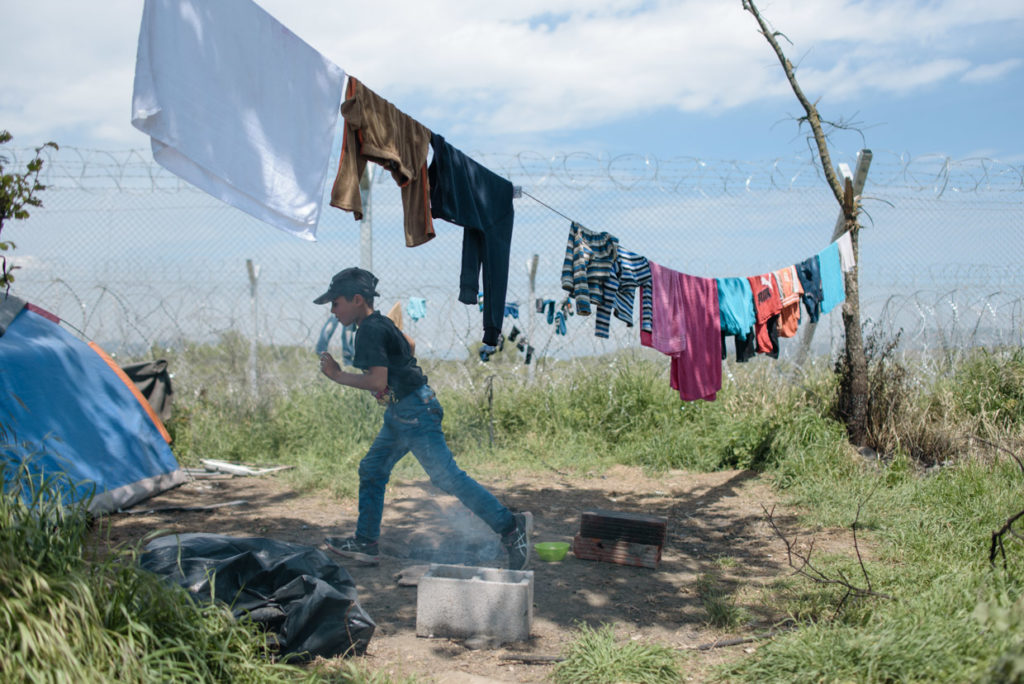
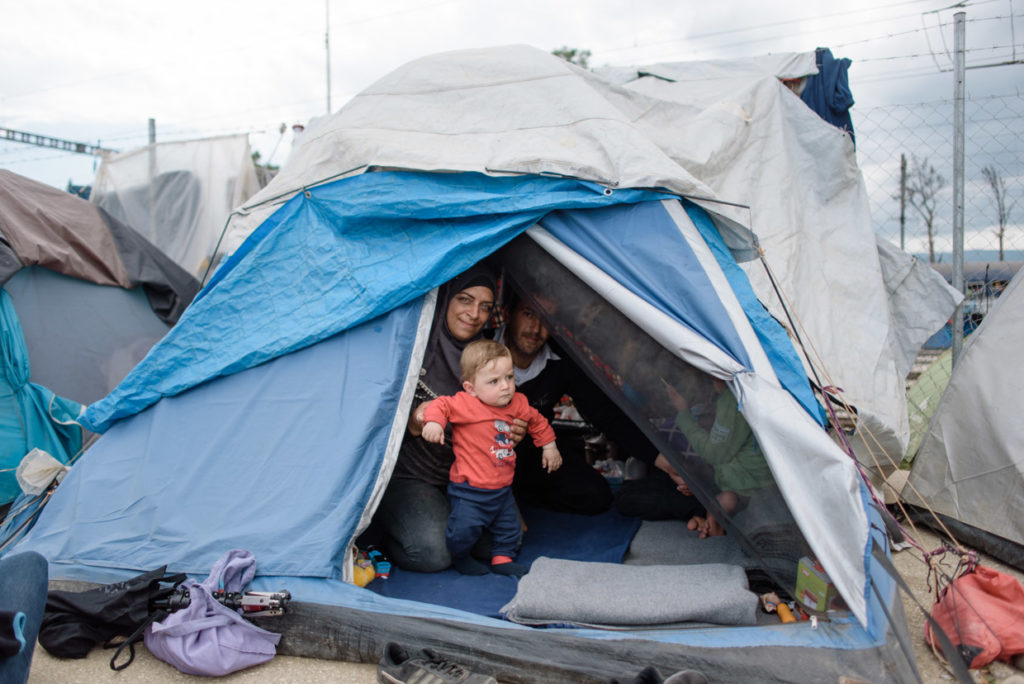
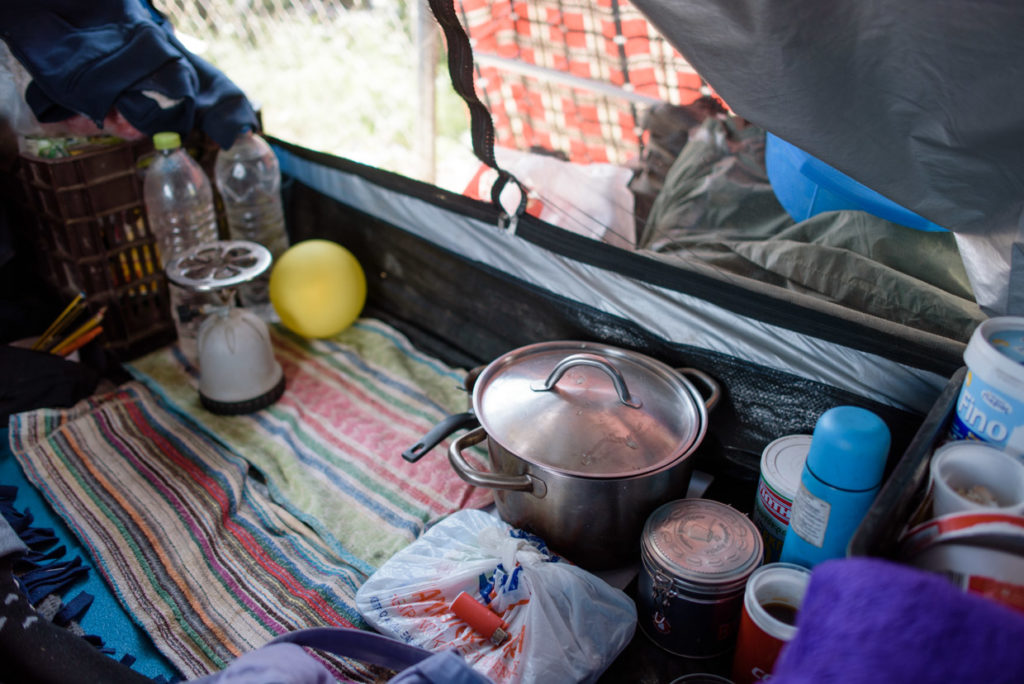
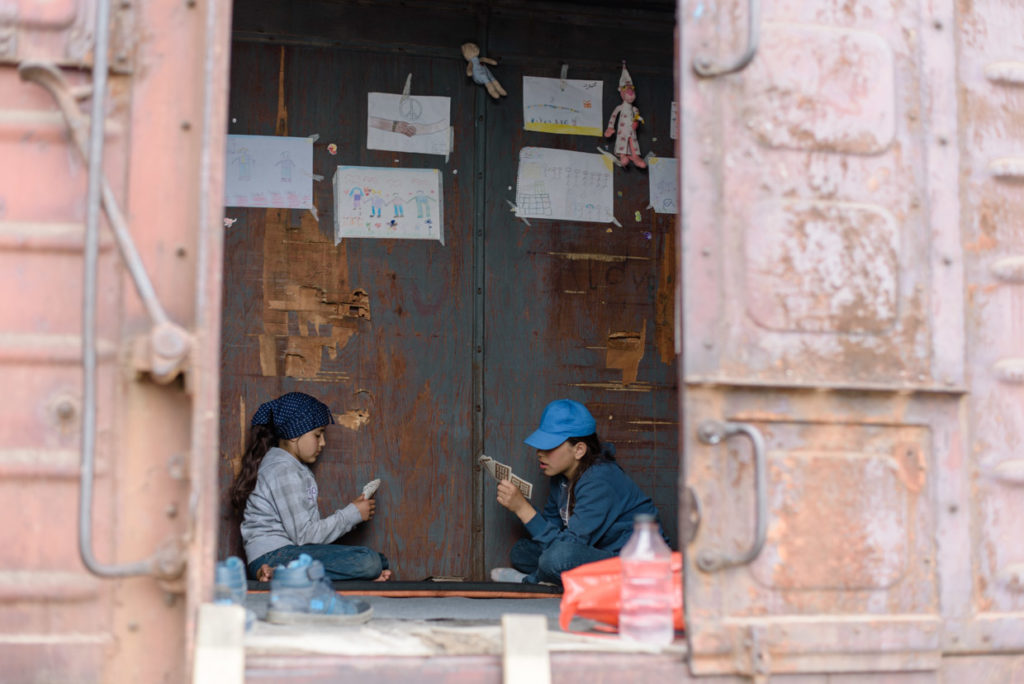
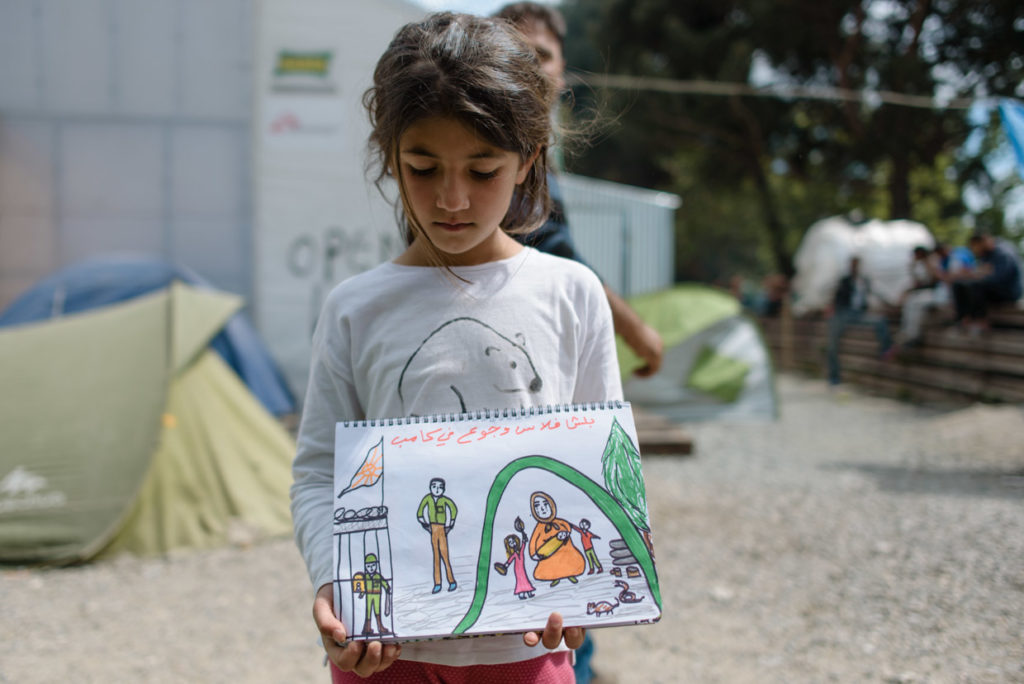
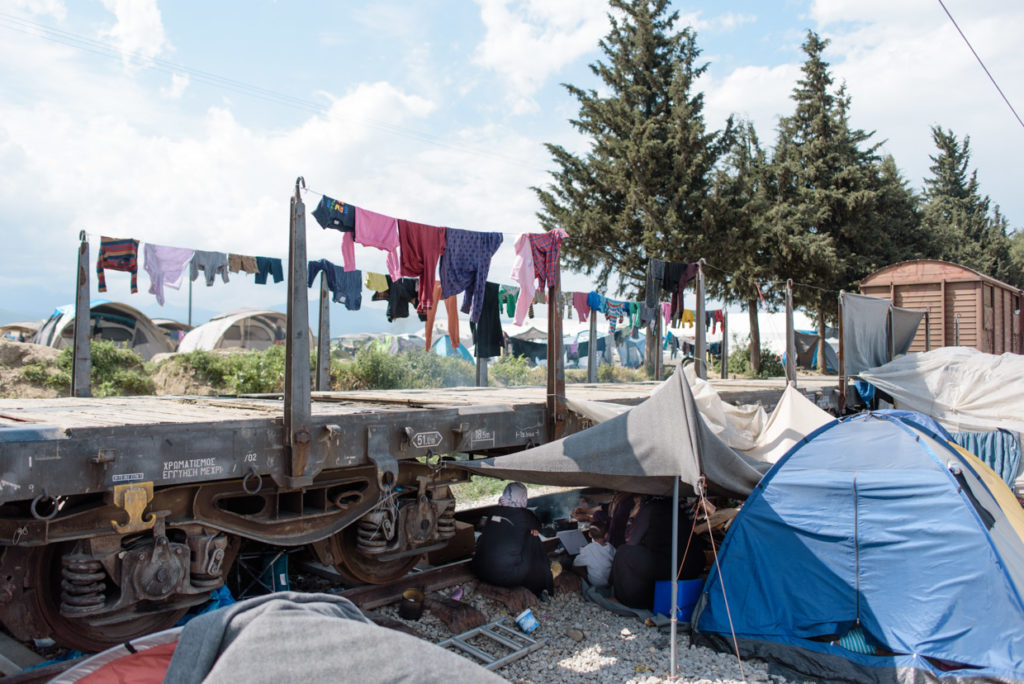
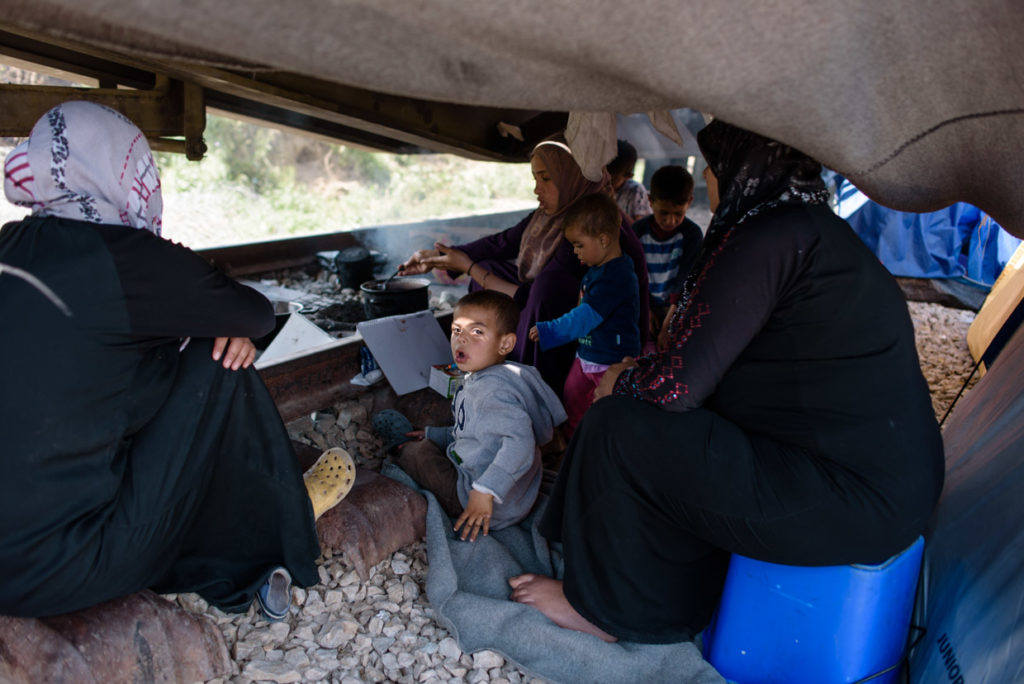
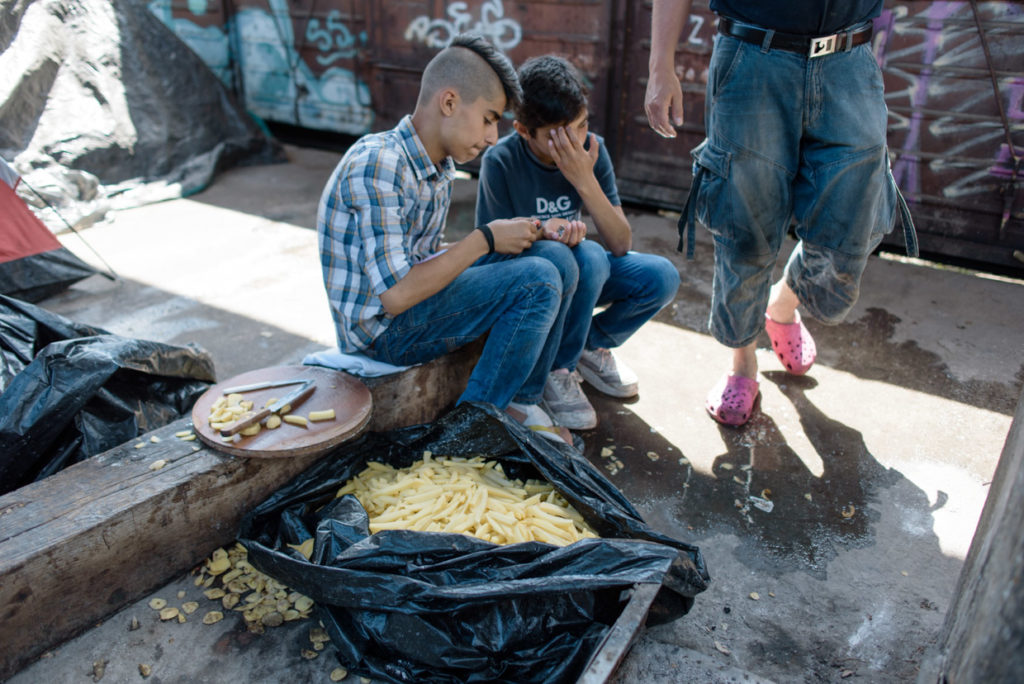
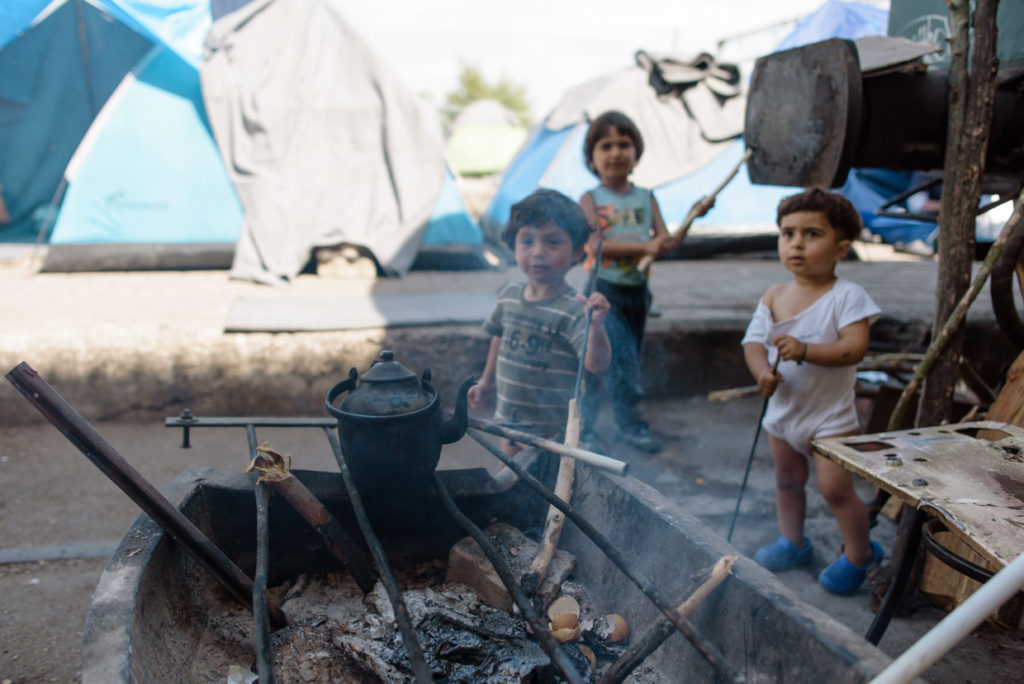
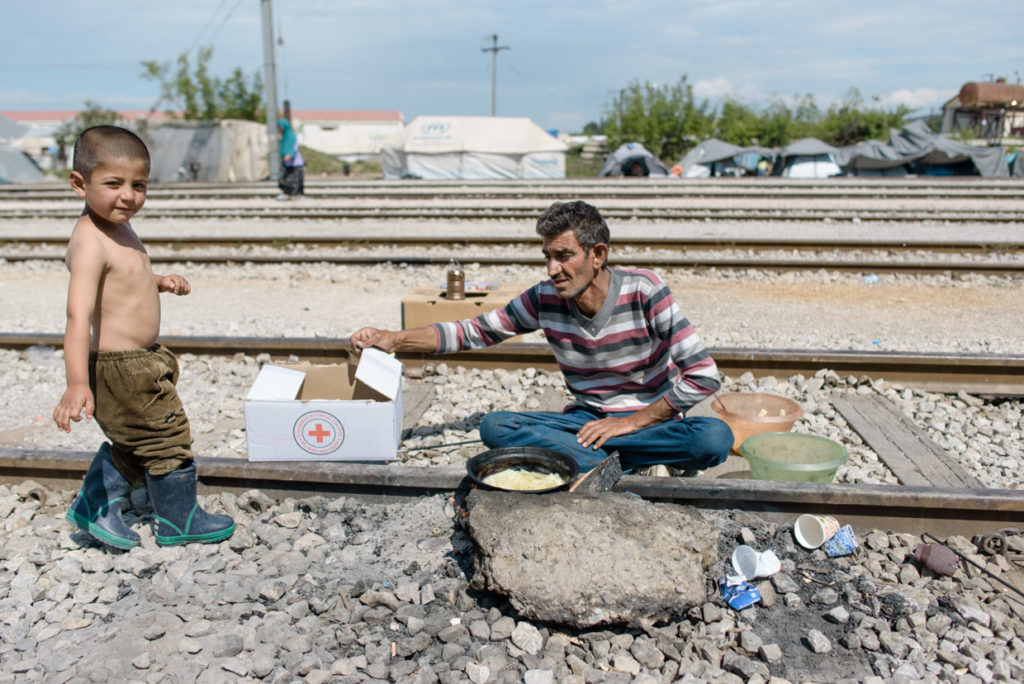
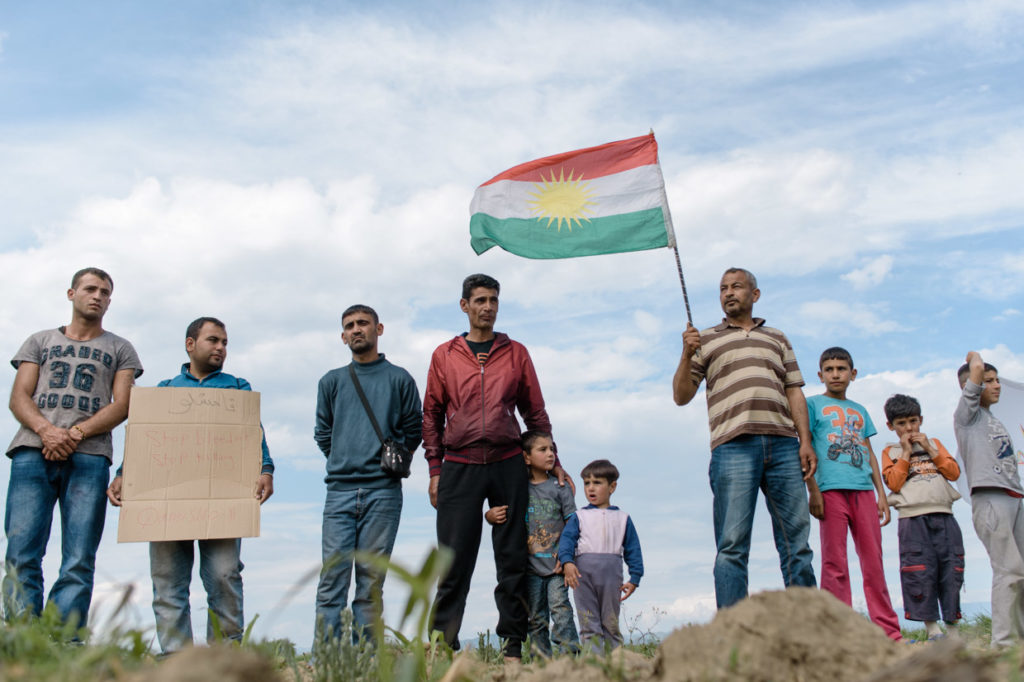
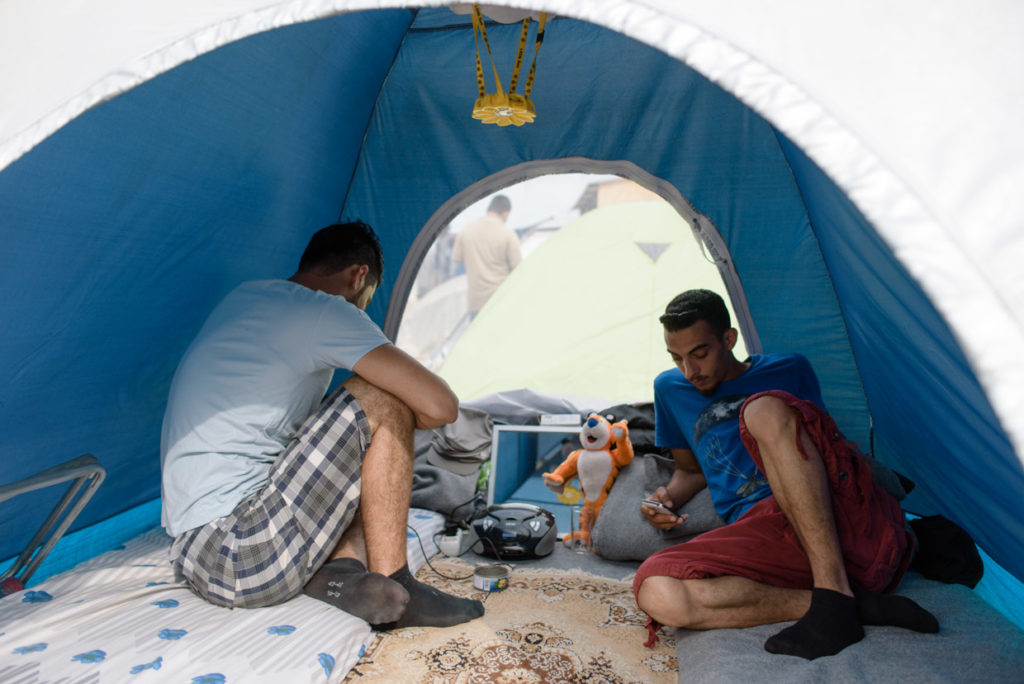
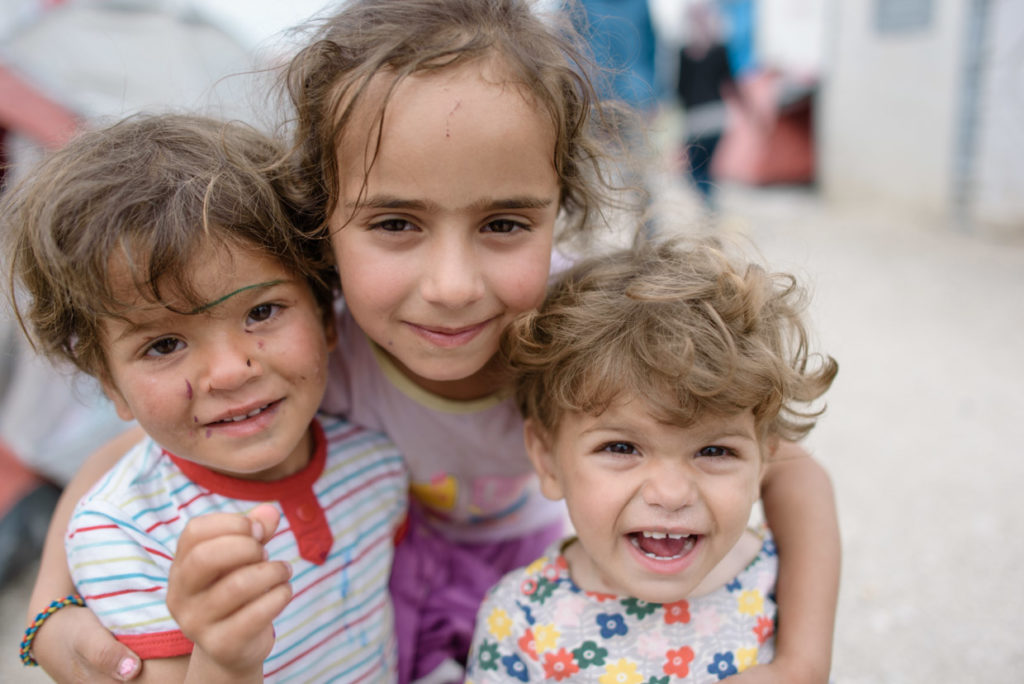
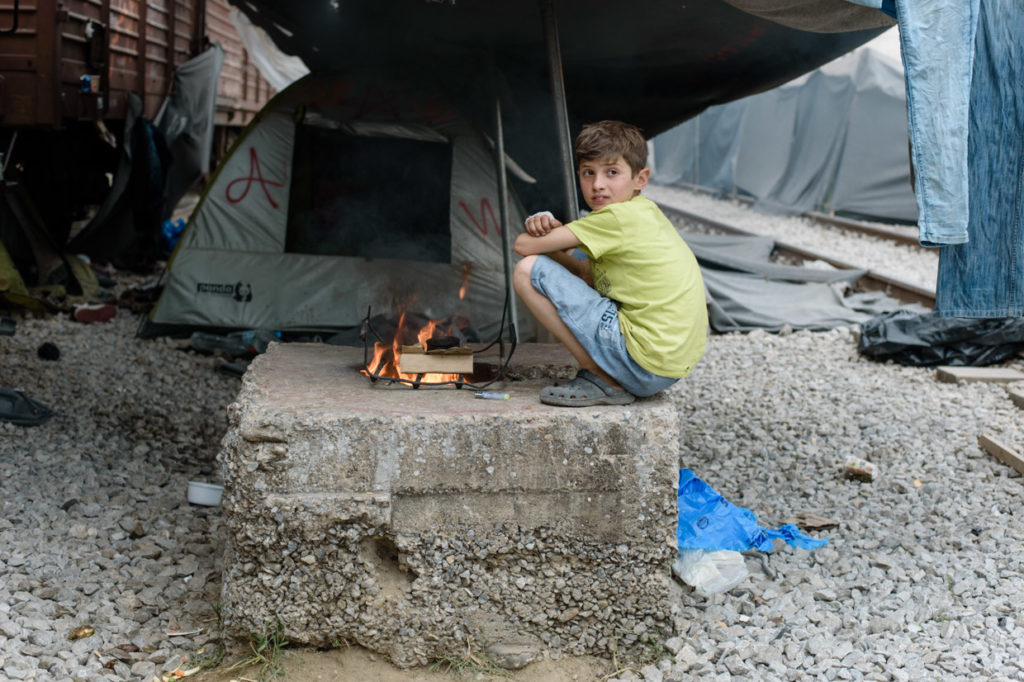
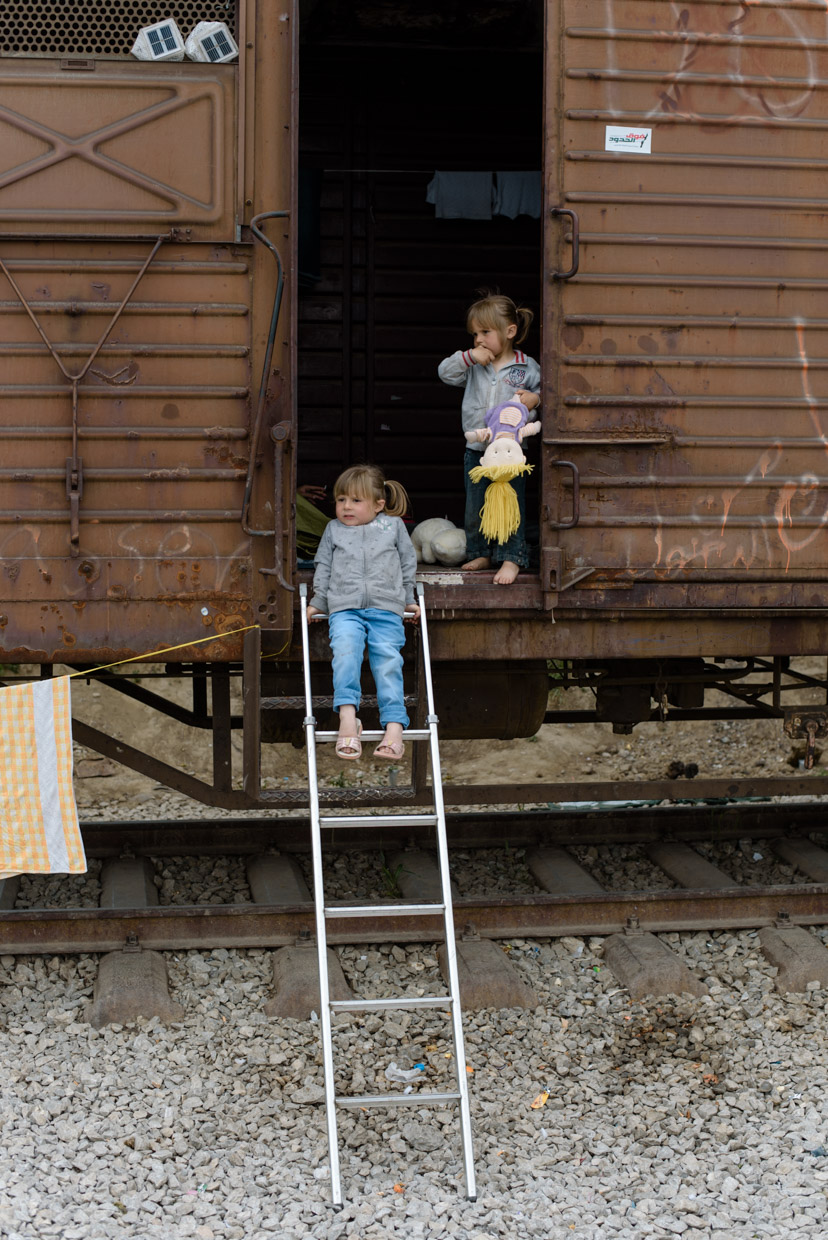
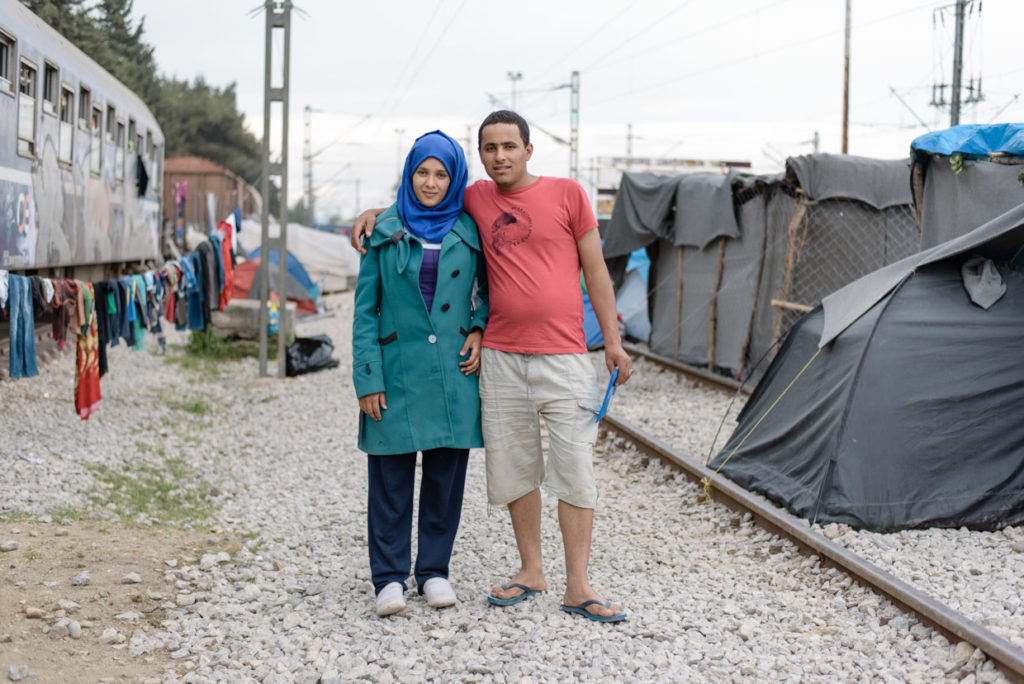
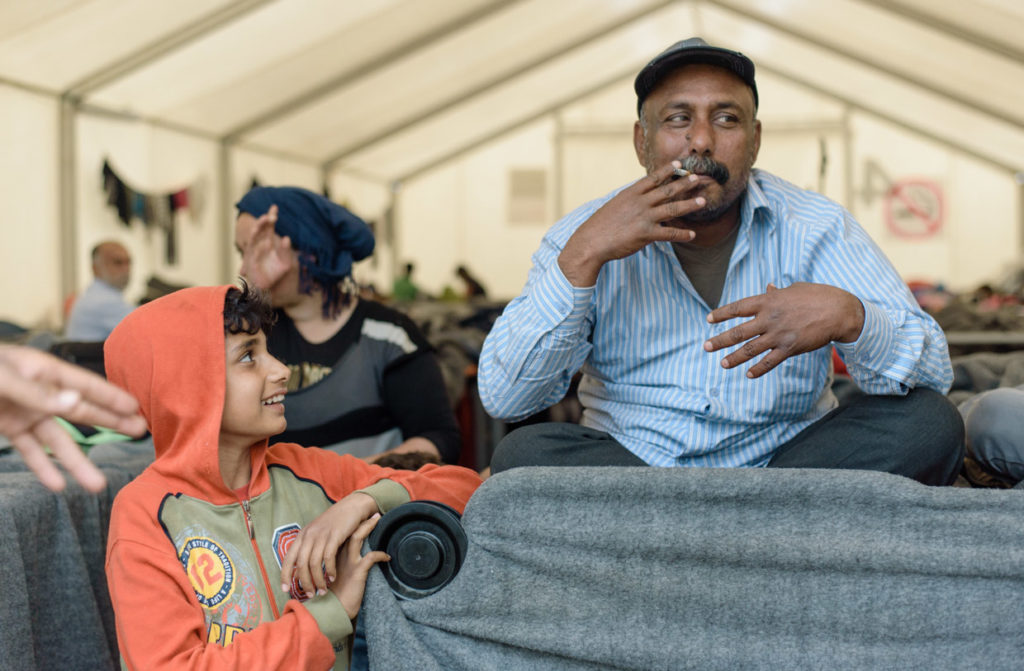
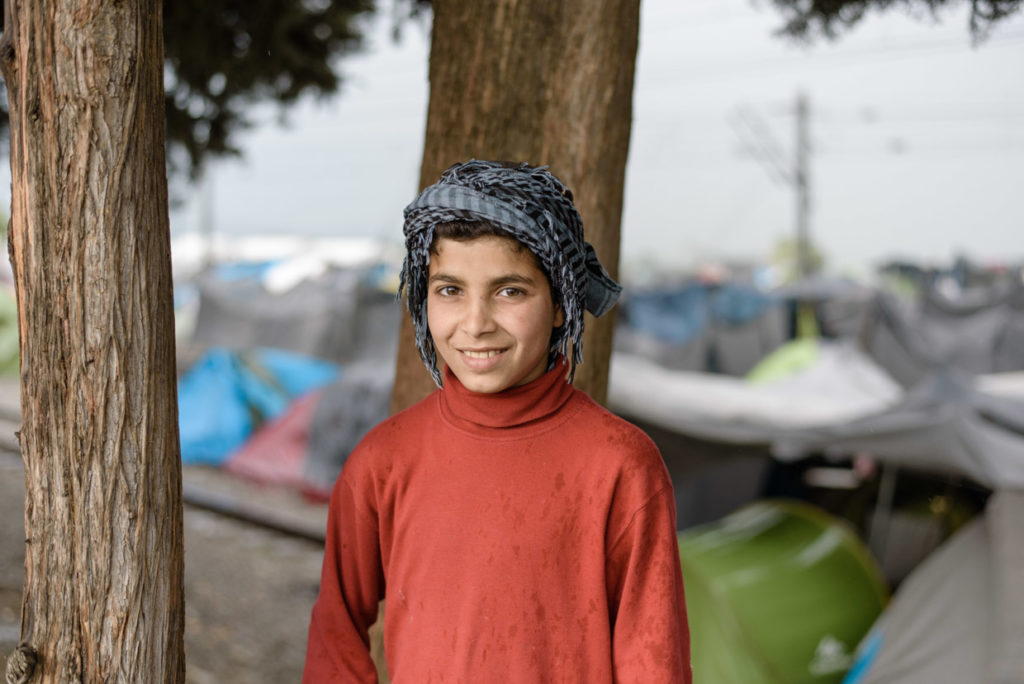
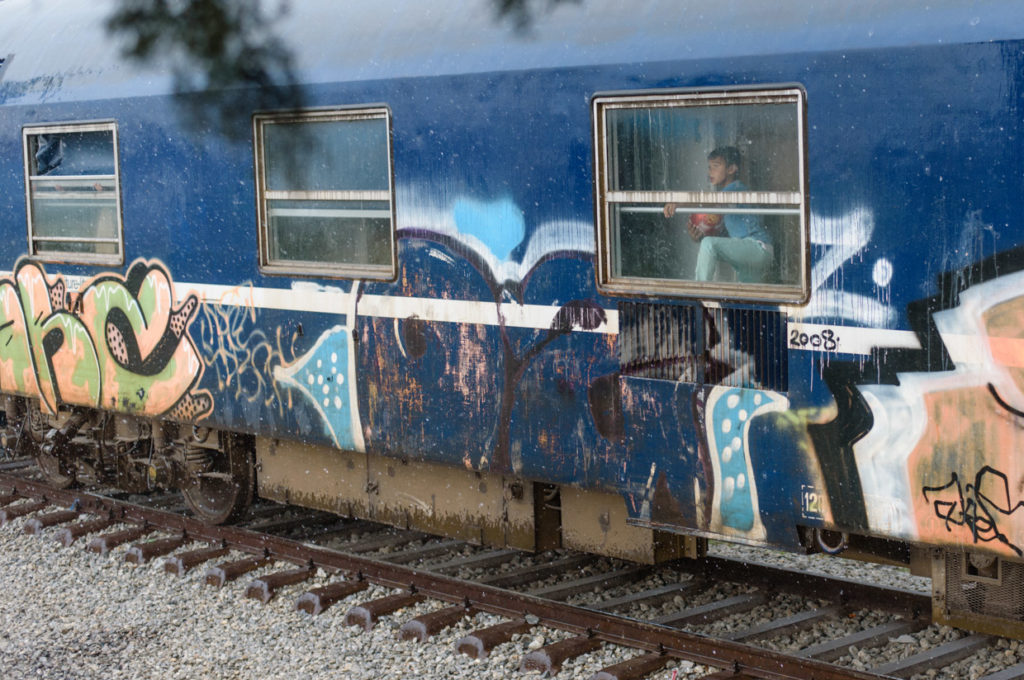
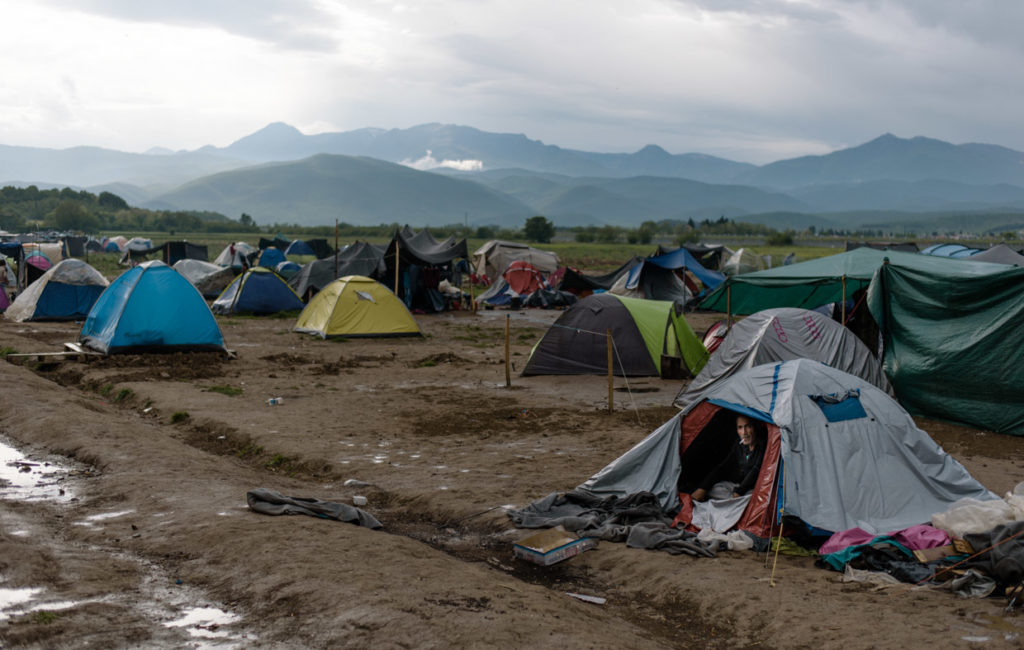
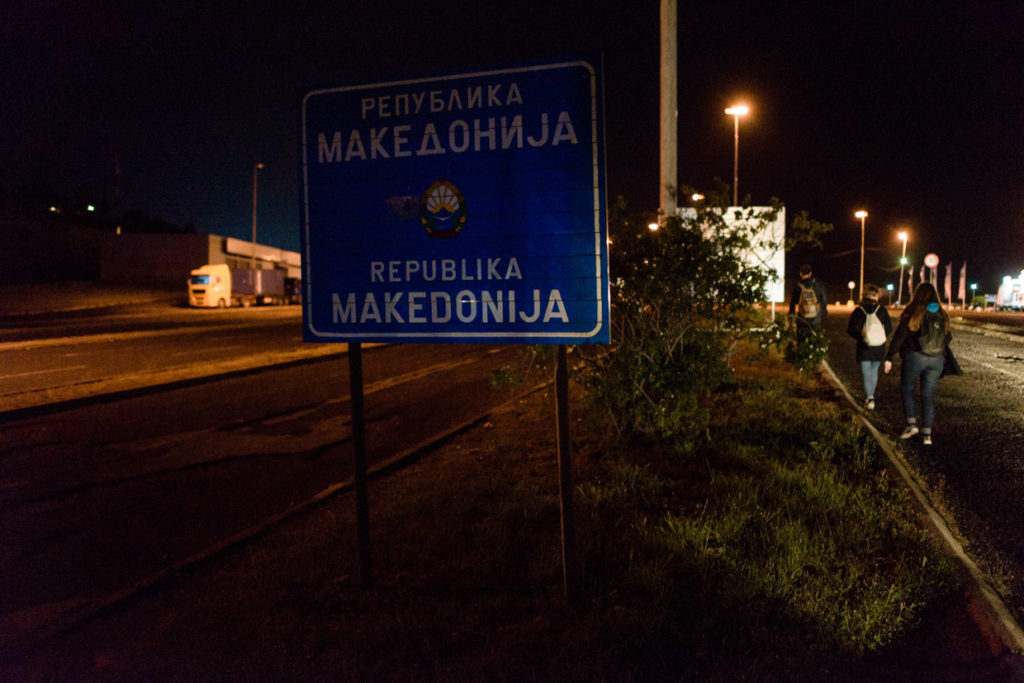
Idomeni, April 23, 2016. For two months, thousands of people had been enduring life on the railway tracks of the once-abandoned border village of Idomeni, between Greece and North Macedonia, without protection from the cold or the heat. Out of protest and despair, they remained there, feeling abandoned themselves, by Greece, by Europe, and by the rest of the world.
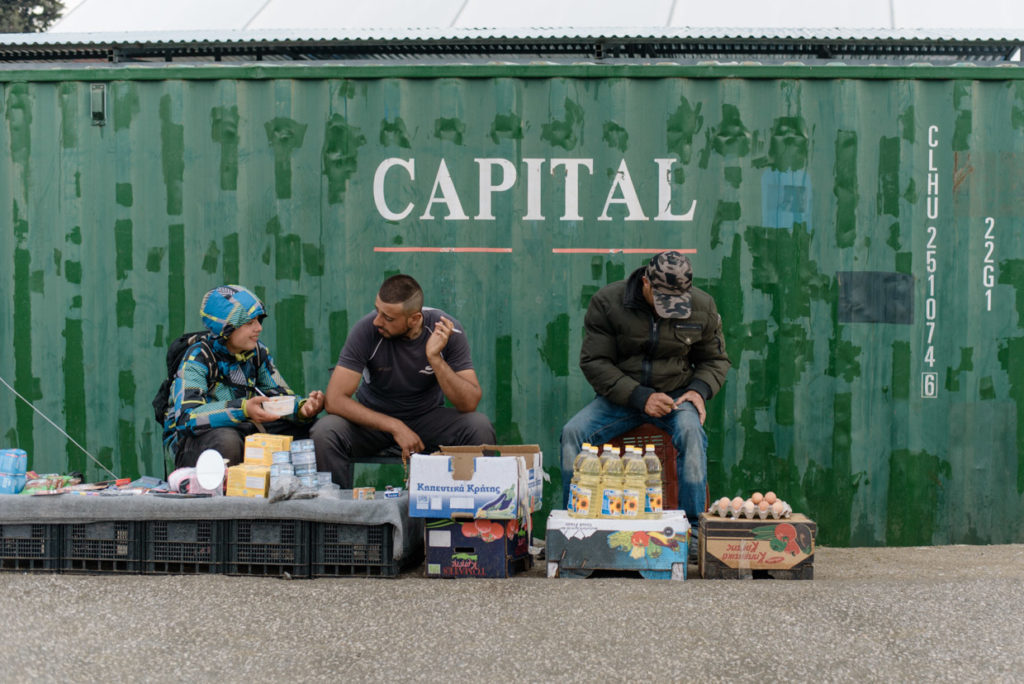
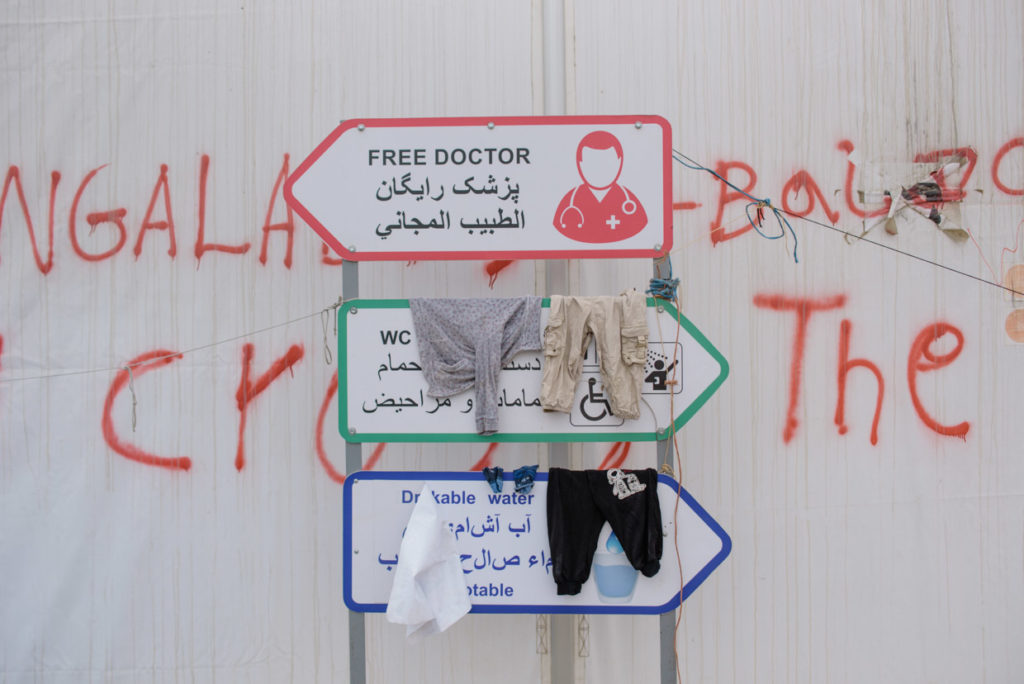
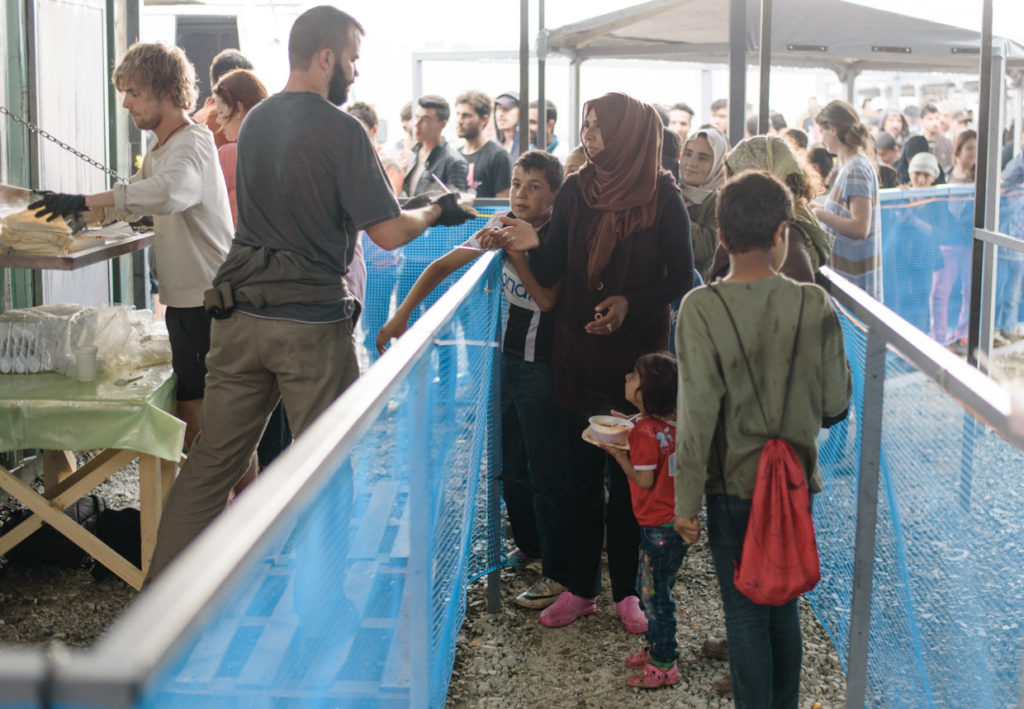
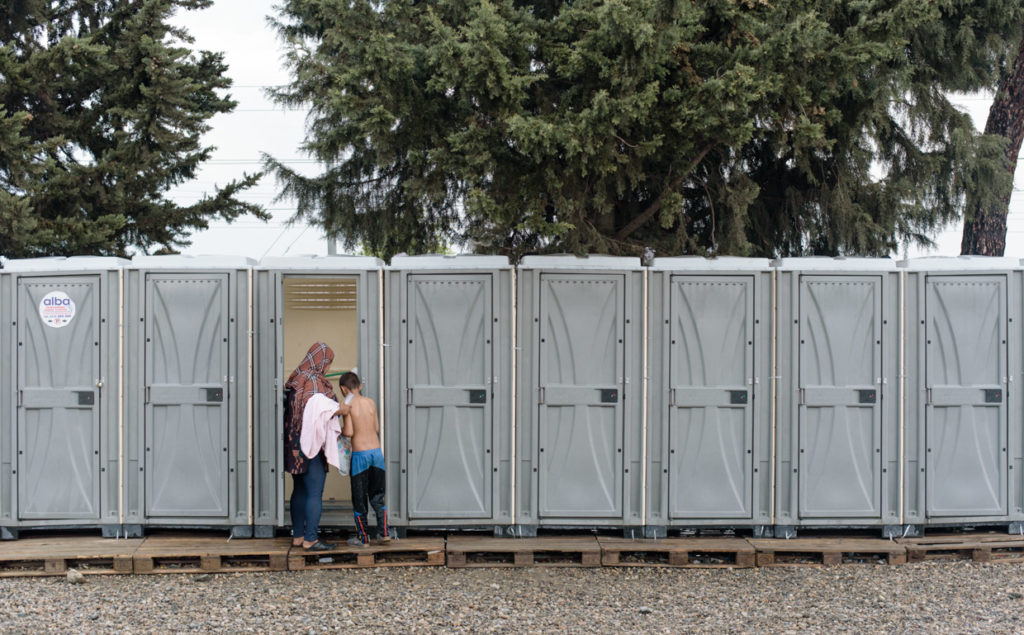
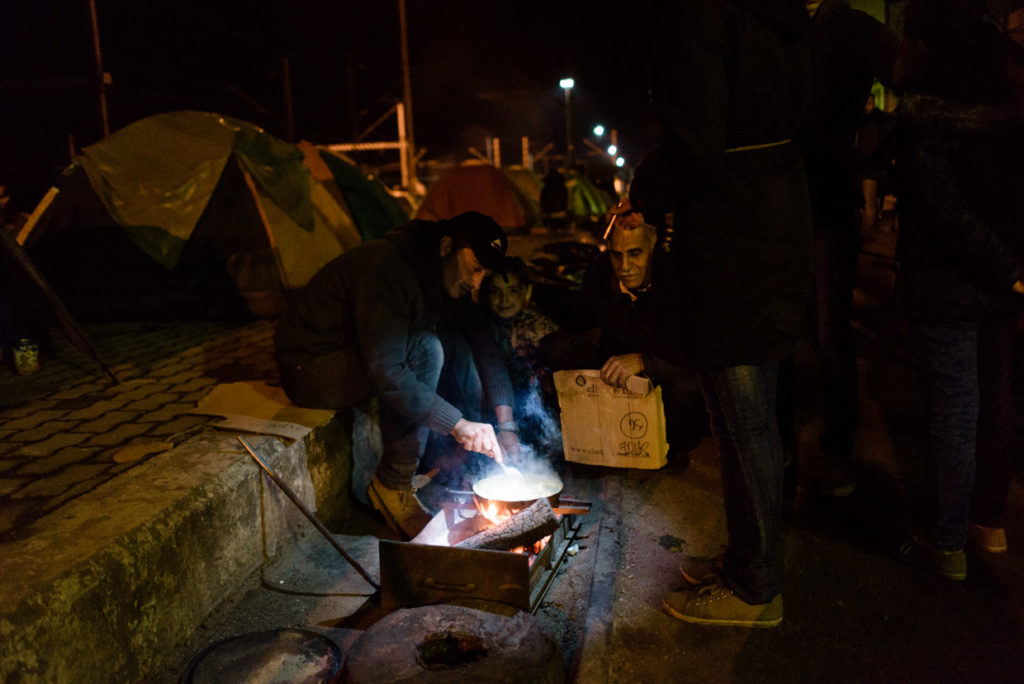
By then, UNHCR had set up a few tents. Doctors from Médecins Sans Frontières were on site. There were several makeshift places where people could wash themselves or do their laundry. Some refugees tried to earn money by selling food. Power banks for mobile phones were especially in demand. But over time, people began to run out of money. NGOs from all over the world tried to contribute. Food was cooked at different locations and distributed to the people. In a kind of supermarket, certain basic food items were sold at inflated prices.